Bee Meadow Volunteering Event a Success!

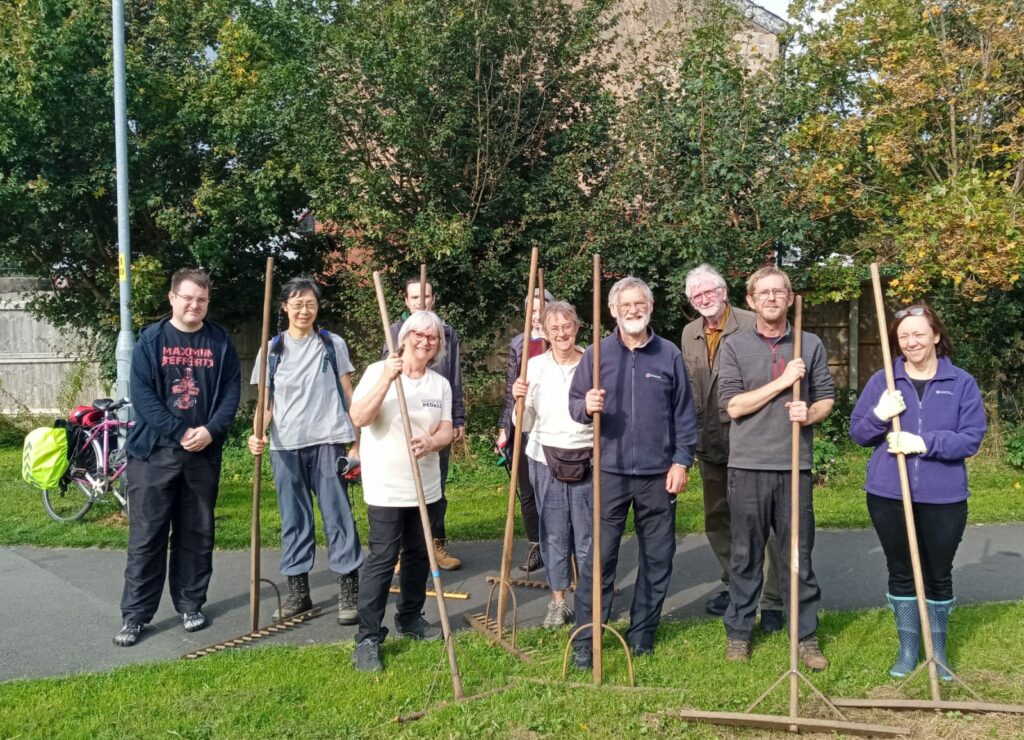
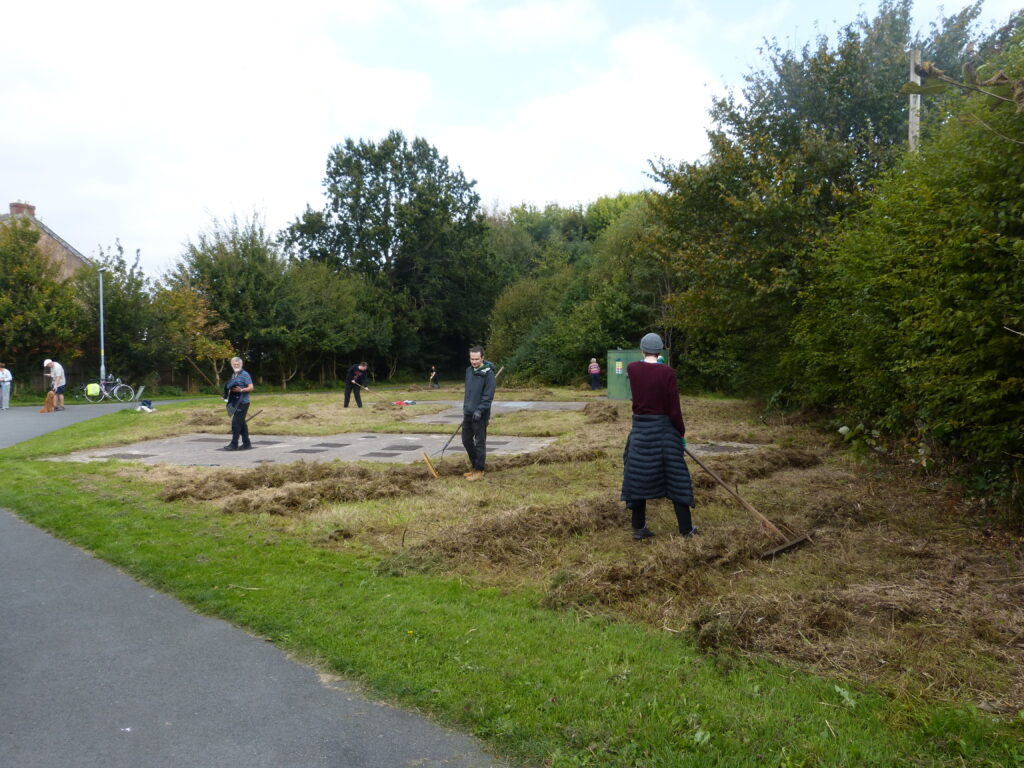
Last Saturday 21st September, ten volunteers spent a couple of hours with Chris Taylor, Horticultural Project Lead for Let’s Grow Preston, raking the recently mown Andy’s Bee Meadow on Broadgate. The weather was lovely and had been all week – really lucky for those of us raking and then moving all the grass away from the meadow!
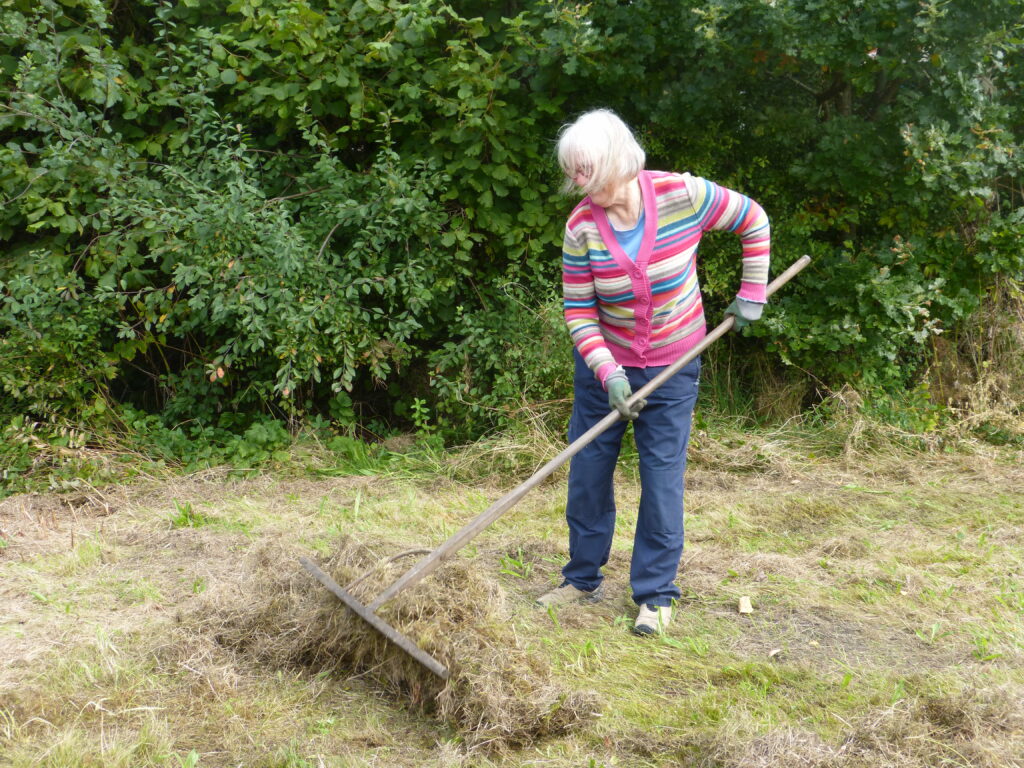
In the dual Climate and Nature crisis that we face action to address both is crucial. Britain is known to be one of the most nature-depleted countries in the world so anything that can be done to restore nature, even in urban areas, is important. Chris started by giving a short talk on the significance of allowing grasses and wildflowers to grow tall in areas such as this to change it from a sterile lawn to a haven for bees, butterflies, other pollinators and their larvae, beetles, spiders, small mammals, reptiles, etc etc. He also covered different methods of converting areas of grass that had been regularly mown (be it in public-owned land such as in a park or in your garden) into a wildlife-friendly area which was really interesting. Part of the regular maintenance of a nature-friendly meadow is a once-a-year cut followed by raking and removing all the mowings so that the soil nutrient level stays low. This helps native grasses and wildflowers which provide habitat and food for our wildlife to thrive, instead of the area being dominated by a small number of species which provide very little support for biodiversity. The raking and removing was where the volunteer group came in!
To learn more about meadows, see this presentation kindly shared by Chris who led our session. You’ll see how different types of meadow are created and maintained, their importance in providing habitat for wildlife and, perhaps most helpfully, how we can all do something positive to help enable more meadows to be created, even in urban areas.
Blog: Summer walks

It’s a great time of year for enjoying the outdoors, walking the dog, spending time with the kids, etc.
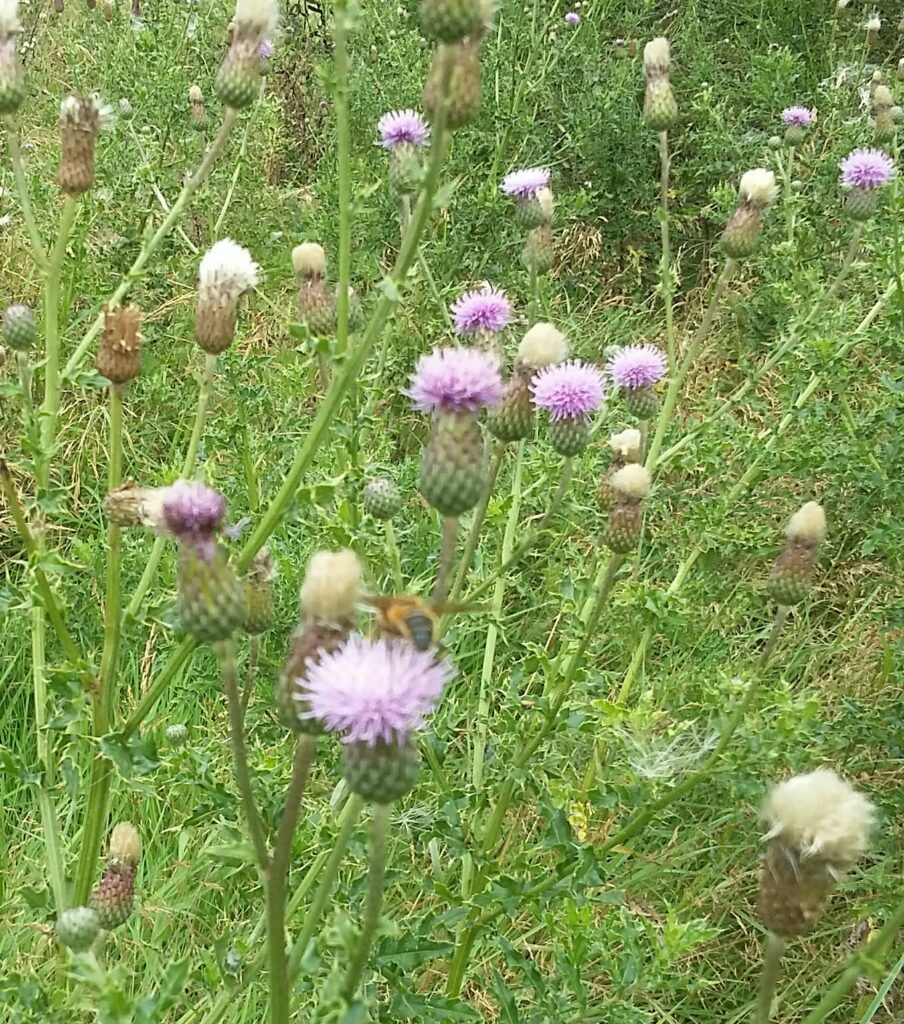
When my other half and I are out with the dogs, we love looking at what’s in bloom or fruiting. Right now on the unmown bits of our regular walk, there are a lot of thistles flowering.

Their seeds are loved by goldfinches and these birds can arrive at fields of thistles in groups of tens and twenties – so look and listen out for them feeding and chattering in a few weeks time! 

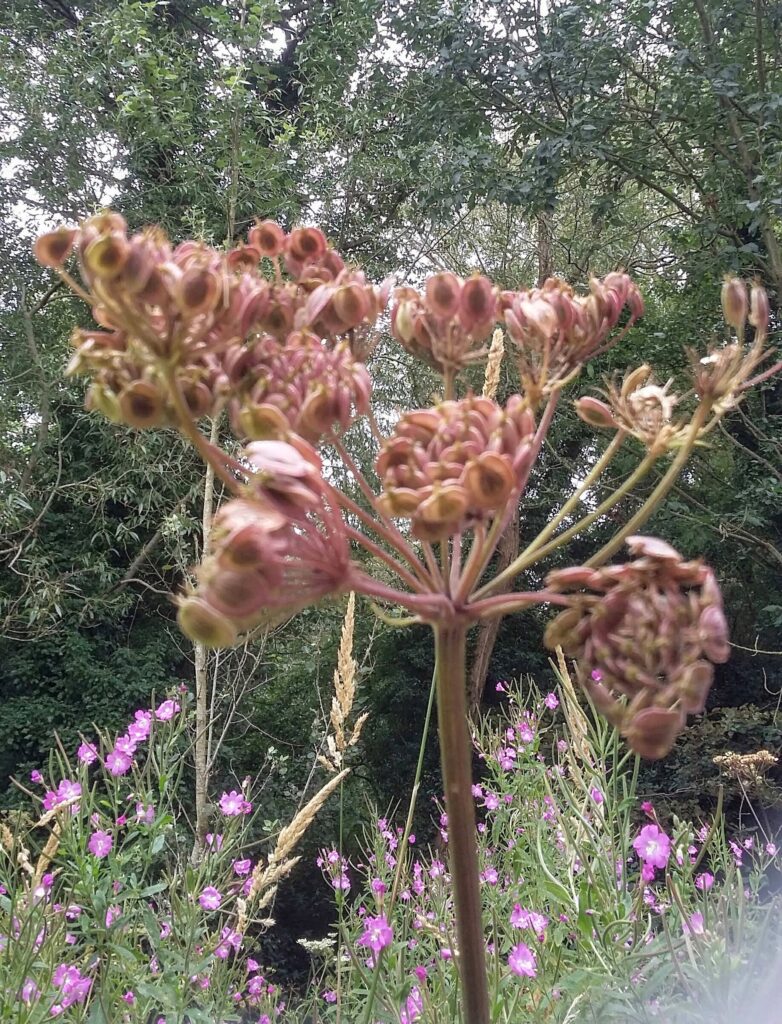
There are still plenty of common hogweed flowers blooming as well as some which are ripening their seeds in big umbels.

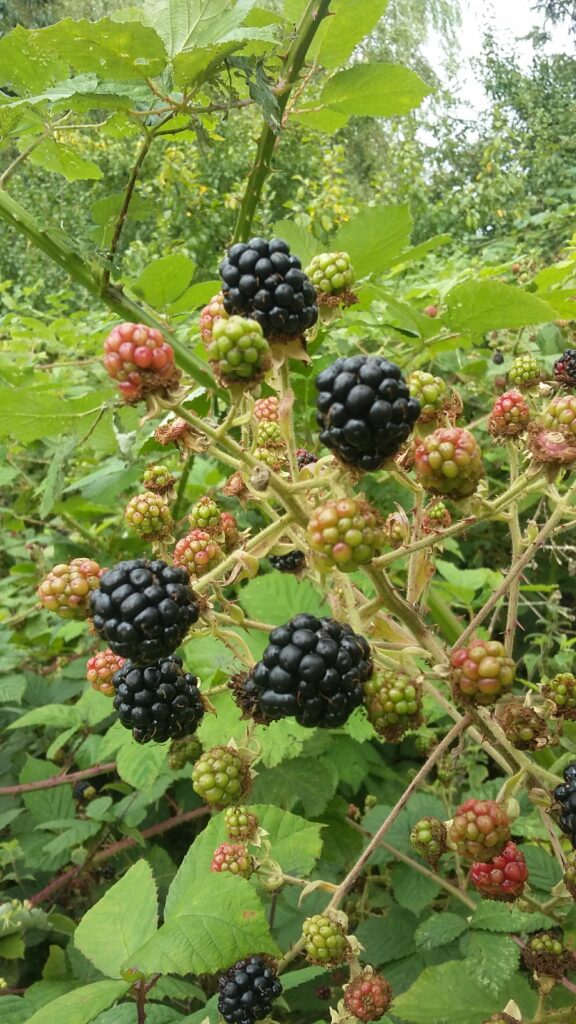
Our favourite bush in August, however, is the blackberry or bramble – so common and abundant yet offering such wonderful, versatile, nutritious and free fruit! If you keep a little box or punnet in your bag or pocket as you go out, it’s hardly any effort to pick blackberries while you walk. We find being in the outdoors blackberry picking to be a happy, mindful and stress-busting experience!

Did you know that there are up to 400 different micro-species of bramble in the UK?! 

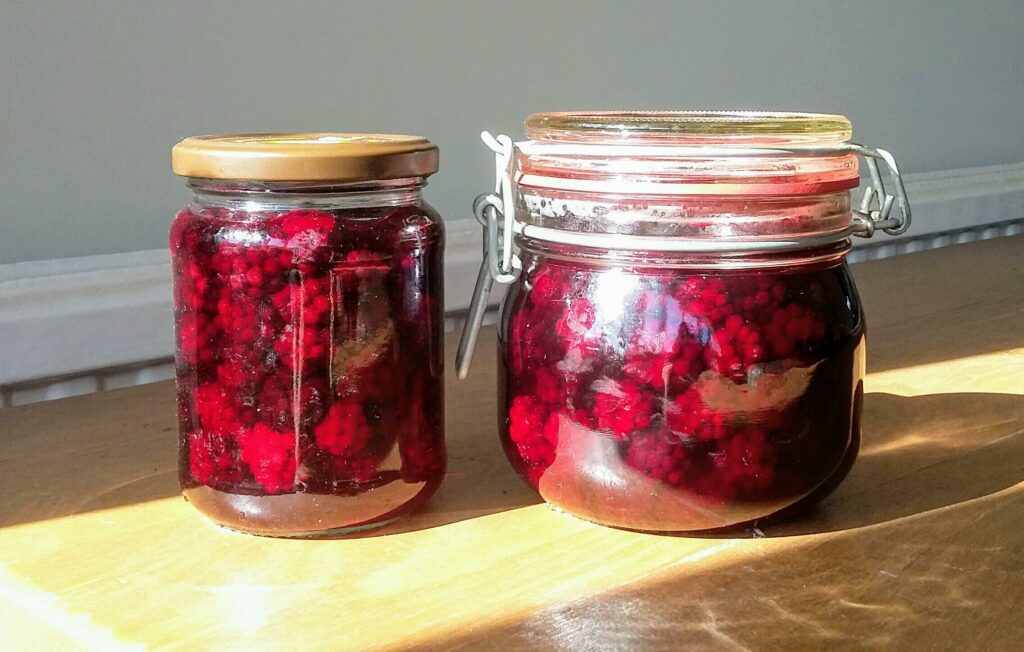
Scatter blackberries on your cereal or salads. If you pick larger amounts you can gently stew them with a little cooking apple (apple thickens the final mixture) or preserve them in jars using a low oven so you can enjoy the taste of summer in the gloom of the winter. 

Blackberries make lovely jam or can be added to bread and butter pudding Eastern European style which incorporates seasonal fruit; healthier and more eco than using dried fruit. There are a myriad ways of using them and plenty of recipes available in books or online for more unusual ways of enjoying them. One of our favourite books is River Cottage Fruit every day! by Hugh Fearnley-Whittingstall (Available from Lancashire Libraries)

We find that connecting with the plants in our local area brings an added layer of enjoyment to our walks. Learning to enjoy and respect nature and wildlife that is on our doorstep and that gives us pleasure, better physical and mental health and even food, is the first step to making us want to protect it. It’s worth remembering that protecting nature ultimately helps protect us, humans, and helps the fight against climate change and biodiversity loss, the two biggest threats our world faces today.

Warm Homes Event

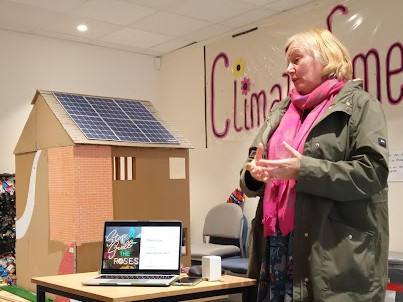
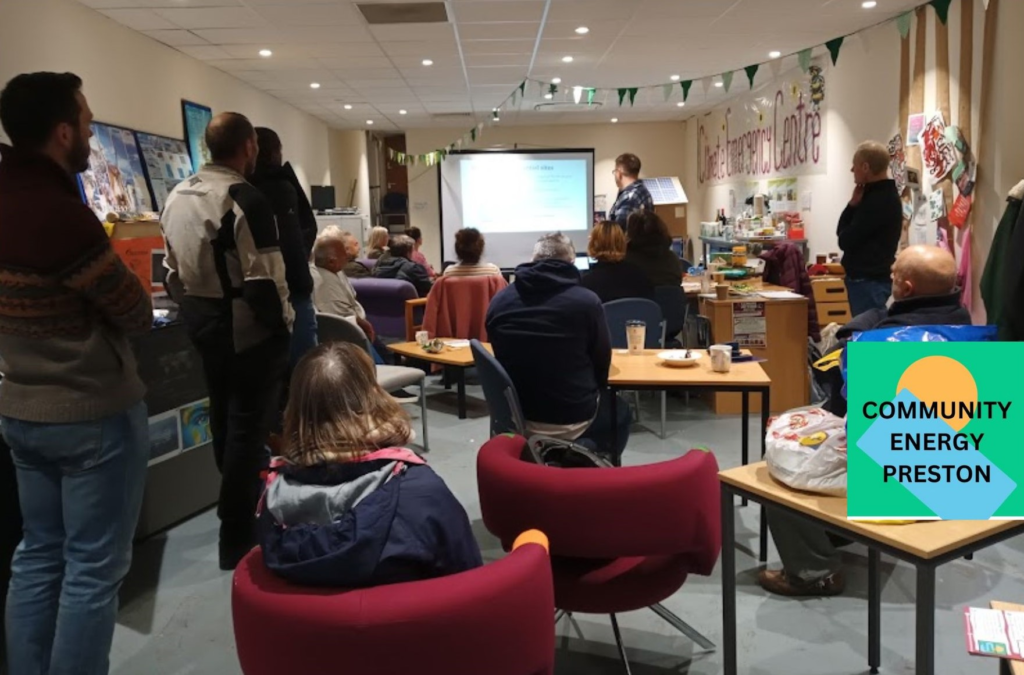
Living-future accredited Architect Ann Vanner gave a presentation about home energy efficiency at the recent CAP ‘Warm Homes’ event. She stressed the need for adequate ventilation for indoor health.
The model house at the Climate Emergency Centre is being ‘retrofitted’ to show many actions that can be taken to reduce money and carbon emissions leaking from homes.
Ann’s presentation is now on the ‘Warmer Homes’ project page.

Lush raises money for CAP

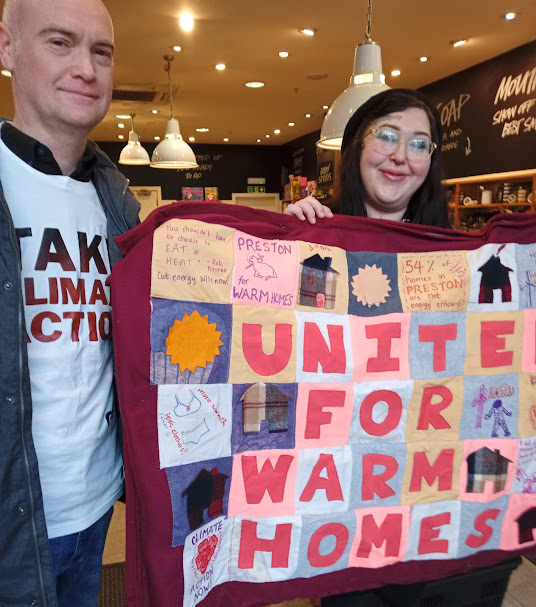
CAP is very grateful to Lush Fishergate for the invite to take part in their ‘Charity Pot’ event. CAP promotional materials were handed to customers, They were asked to sign the ‘United for Warm Homes’ petition and the campaign quilt was on display. Revenue for all the shop’s weekend’s sales of the ‘Charity Pot’ product which amounted to £274.65 was donated to CAP! What a fabulous result!

Celebrating Earth Day

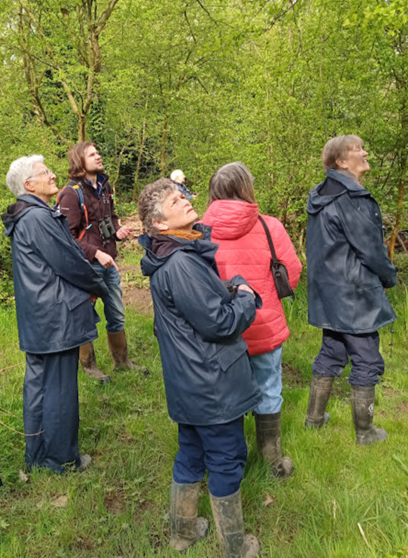
Volunteers at the Dobcroft Urban Nature Reserve in Ingol were treated to an expert ‘birding’ session for ‘Earth Day’. Lancs Wildlife Trust’s Joel Micklethwaite pinpointed blackcaps, great tits and goldfinch by their calls. Robins also sang loudly but they stayed in plain sight! The volunteer ‘land management team’ conserve nature and wildlife on the five-acre site specifically for Great Crested Newts but diverse native flora and fauna are also increasing in the ponds, meadows and woods. 150+ local people visited for the recent Spring Open Day.

Energy News

Sheets of signatures on the ‘United for warm homes’ Friends of the Earth petition collected at CAP events have been sent to Mark Hendrick as he returned as Preston MP to Westminster.
In the debate after the Kings speech, Sir Mark spoke in favour of community energy projects and the benefits to come from Great British Energy.
FoE estimates that £6 billion a year is needed nationally to properly fund insulation schemes to curb heat loss from homes. In Preston 53% of homes are rated EPC D or below, that’s 22,765 households with unnecessarily high energy bills.  There are 25 ‘hotspots’ in the Preston constituency where incomes are below average but bills are above average.

CEP now has its own website with a brand new logo designed by a student at Preston College! communityenergypreston.co.uk

Warm homes petition

Sheets of signatures on the ‘United for warm homes’ Friends of the Earth petition collected at CAP events have been sent to Mark Hendrick as he returned as Preston MP to Westminster.
In the debate after the Kings speech, Sir Mark spoke in favour of community energy projects and the benefits to come from Great British Energy.
FoE estimates that £6 billion a year is needed nationally to properly fund insulation schemes to curb heat loss from homes. In Preston 53% of homes are rated EPC D or below, that’s 22,765 households with unnecessarily high energy bills. There are 25 ‘hotspots’ in the Preston constituency where incomes are below average but bills are above average.

LancsCAN update

As you may be aware, CAP is one of 114 LancsCAN member organisations. Membership has grown significantly since the first Lancashire Community Climate Action Forum last May at Edgehill University which is fantastic.

New LancsCAN Climate Collaboration Workshops… coming soon! Thanks to LancsCAN Co-Leader Kayt Horsley, some money from Lancashire County Council has been secured to organise two or three new LancsCAN Climate Collaboration Workshops for later this year – watch this space!

LancsCAN Lunch & Learn programme After the first highly successful Lunch & Learn event on 25 January hosted by Harvey Hamilton-Thorpe (Ribble Rivers Trust) and presented by Sam Marine and Angela Nagorski (both at Groundwork), more are planned for the rest of the year. Details to follow soon but proposed presentation themes include energy, health (and social prescribing), transport, wildlife, education and volunteering.

LancsCAN Social Media… now up and running. Please join through on Facebook, Instagram and Linked In. There is also a LancsCAN YouTube channel on which you will be able to access content such as recorded webinars in future https://sites.edgehill.ac.uk/lancscan/social-media/

Events – Some big county-wide events will be taking place later this year – please make a note for your diaries!

  • 2nd Lancashire Community Climate Action Forum – Thursday 6 June 2024, UCLan, Preston
  • Lancashire Youth Climate Conference (16-19 years) – Wednesday 30 October 2024, Blackpool

Please see LancsCAN Events page for the full list to find climate action near you https://sites.edgehill.ac.uk/lancscan/events/

Continued Dialogue with Lancashire’s Councils The latest meeting with Lancashire’s Climate Officers took place on 5th February. This was a constructive meeting enabling all the councils to be updated on LancsCAN activities and a discussion on how the Network will be able to work more closely and collaboratively with them.